Smaller Plates, Bigger Wins

Welcome! Today we’re exploring portion control through tiny plate and serving tweaks, a joyful, practical approach that respects appetite while quietly guiding better choices. Expect science made friendly, kitchen-ready tips, and encouraging stories that prove small visual nudges can reshape habits without restriction, guilt, or complicated rules. Stay to the end for ways to share your own wins, ask questions, and join a supportive community focused on sustainable changes that feel kind, doable, and surprisingly fun.

How Size Shapes Appetite

What we see on a plate can powerfully shape what we eat. Visual context, like rim distance and food spread, adjusts perceived fullness before the first bite. By shrinking plates and bowls, we naturally serve less, yet satisfaction remains high because the mind reads a full surface and a complete meal. This is a gentle, evidence-informed nudge that preserves enjoyment while trimming excess without the stress of strict counting.

Match or Contrast?

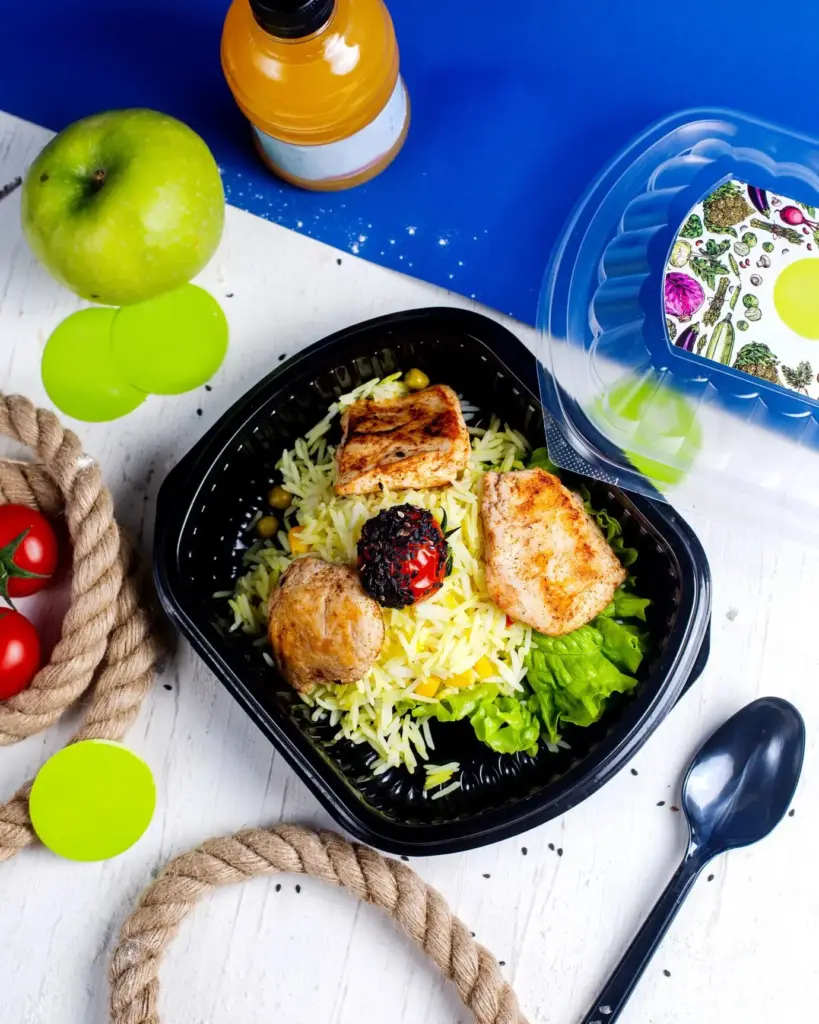
If your favorite dinner is light-colored pasta, a dark or boldly toned plate makes the portion more noticeable and satisfying. When food and plate colors match, we underestimate volume and reach for more. By selecting plates that make ingredients pop, you create a natural pause before adding extra. This visual boundary feels artistic and intentional, pairing style with practicality and reducing excess without a single rule or calculator.

Rims, Bowls, and Depth Cues

Wide rims and shallow bowls can guide calmer serving habits. A defined rim frames the food, implying completeness, while a shallow bowl offers depth cues that slow scooping and promote measured ladling. This extra moment’s pause helps you sense comfort levels sooner and align portions with how you actually feel. Combined with smaller diameters, these design details subtly reshape the meal without sacrificing presentation, generosity, or culinary joy.

Garnish Geometry

Strategic garnish placement creates visual markers that reduce piling and promote balance. A leafy crown on grains, a bright citrus wedge near protein, or a neat sprinkle of herbs around the edge signals finishing. These cues act like gentle punctuation, suggesting the plate is complete. They also add color and aroma that elevate satisfaction, so you feel indulged rather than managed, even as total volume stays comfortably in check.
Serving Tweaks for Everyday Kitchens
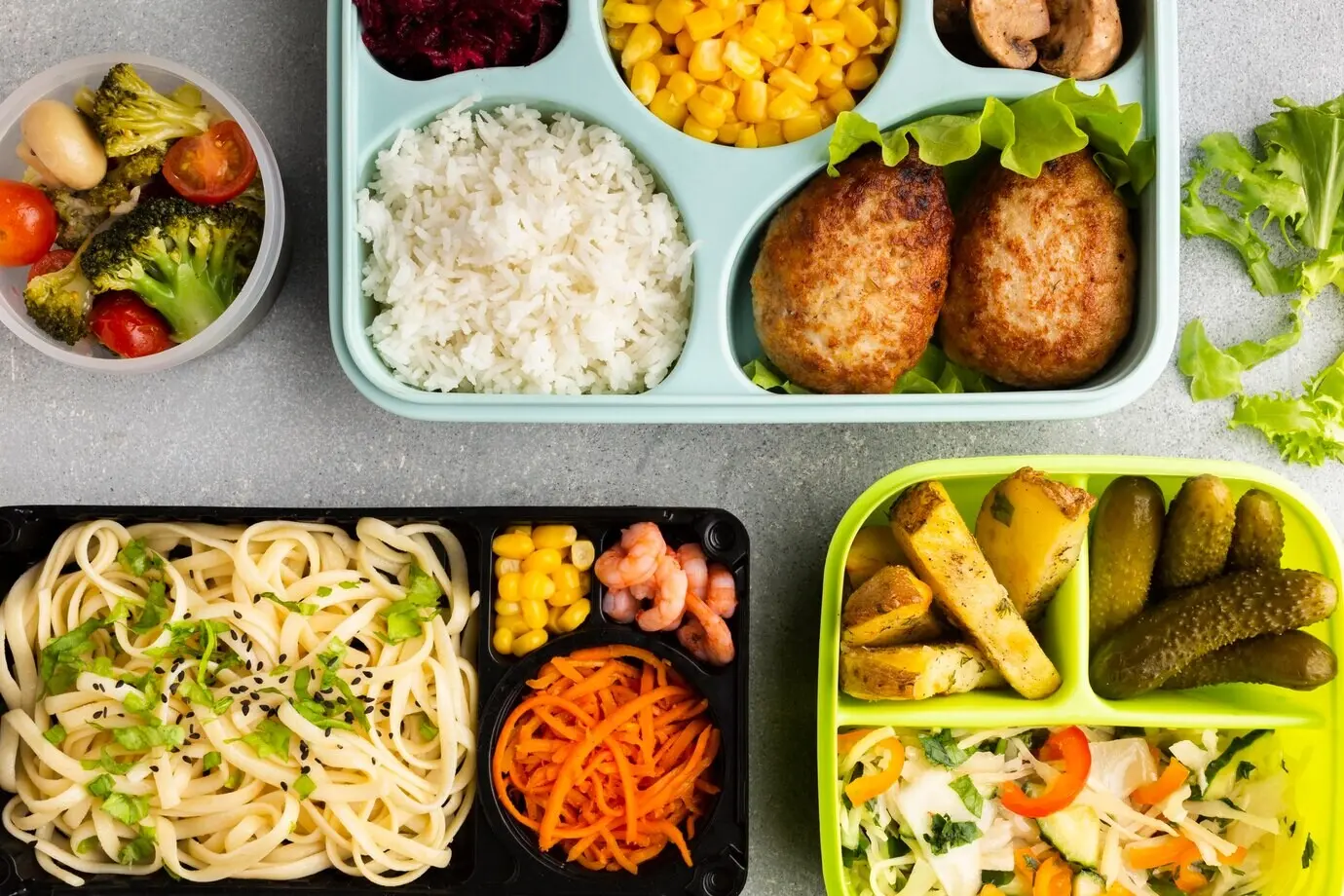
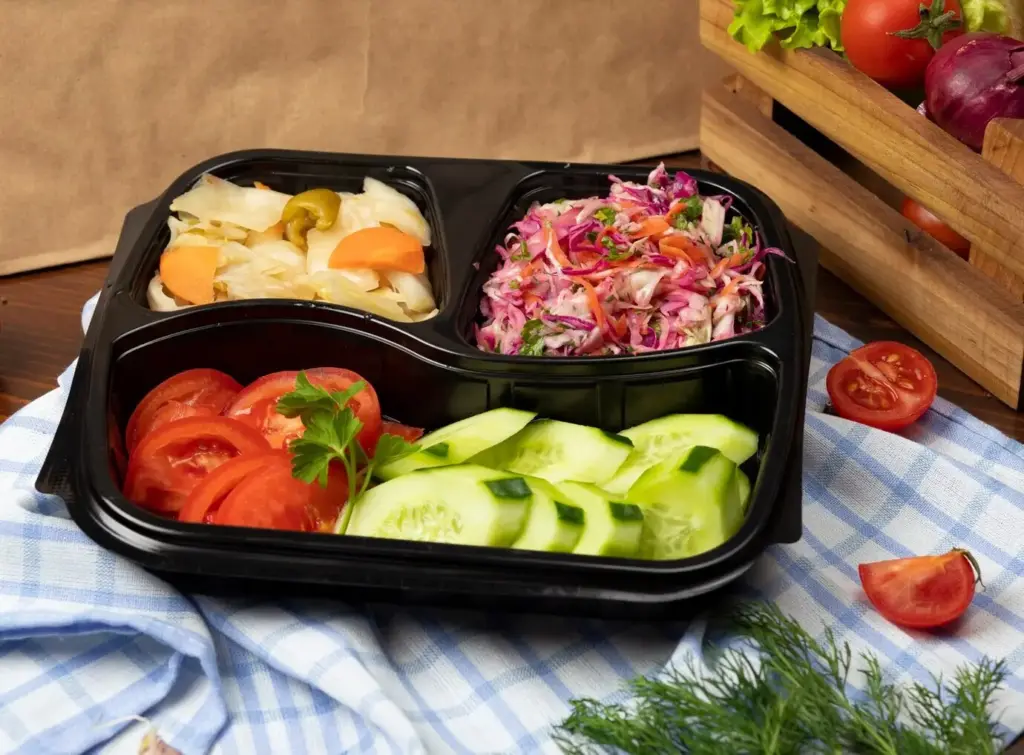
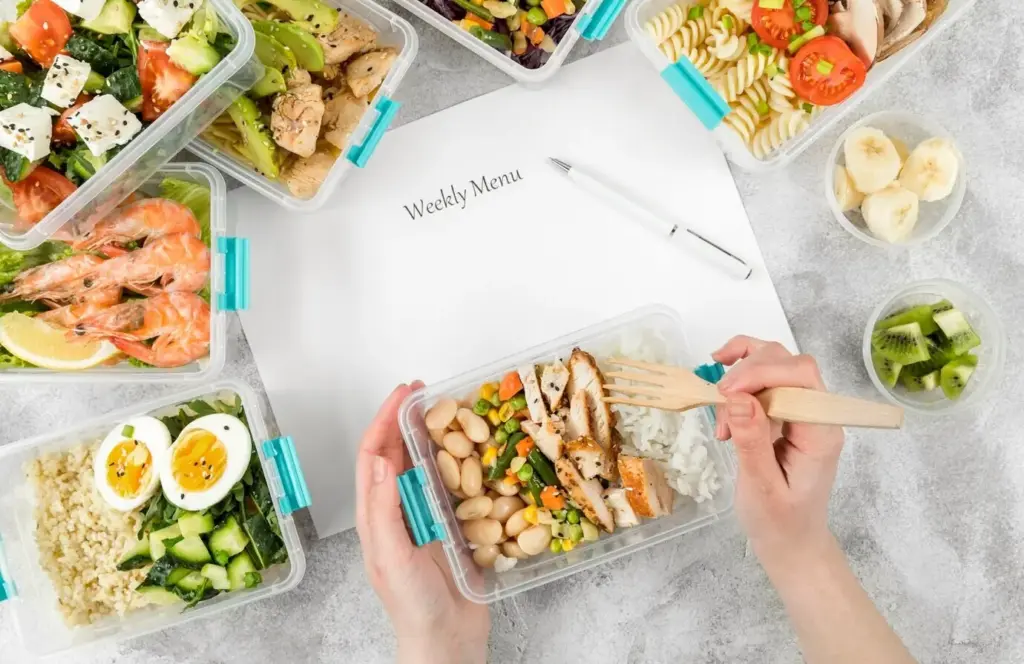
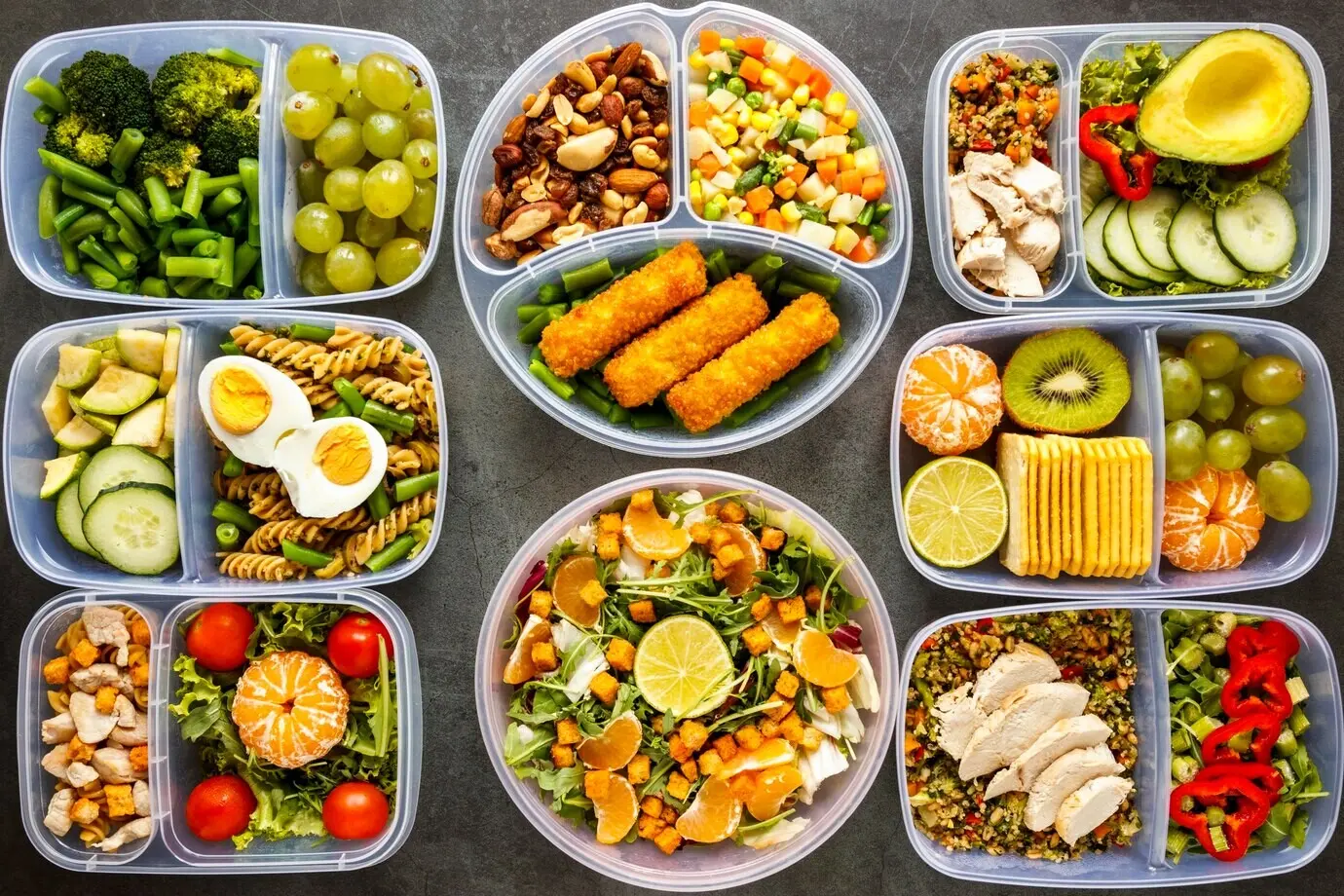
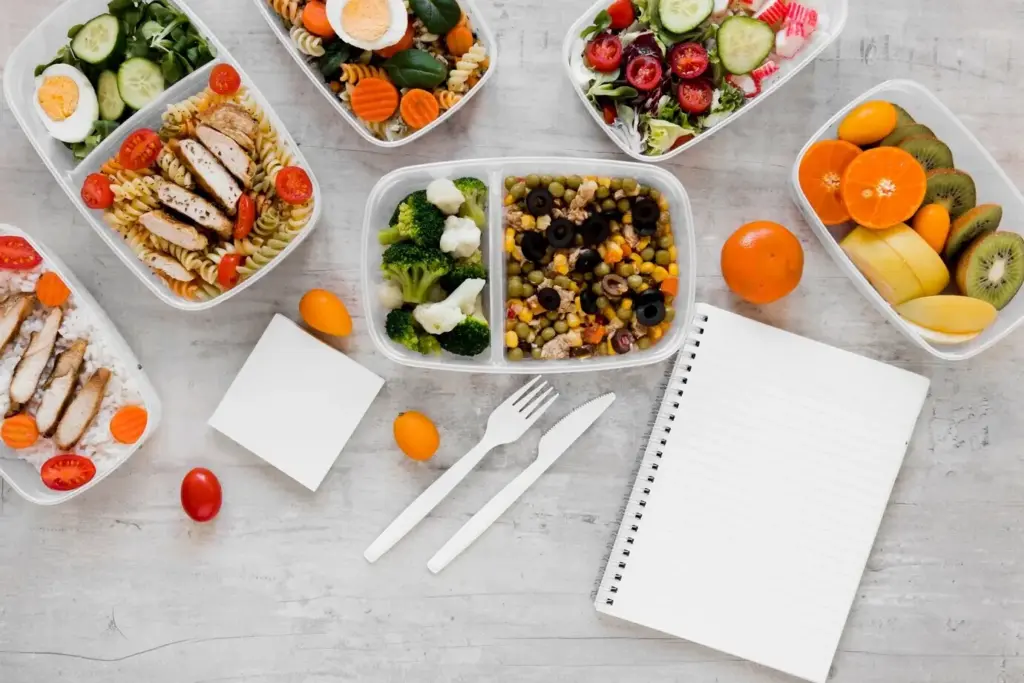
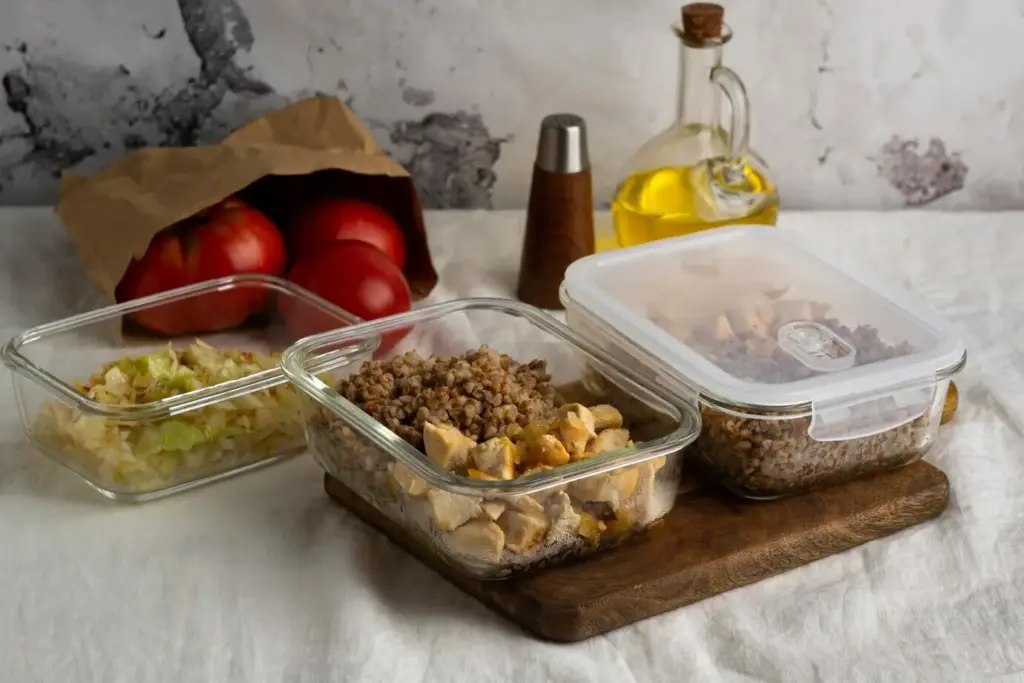
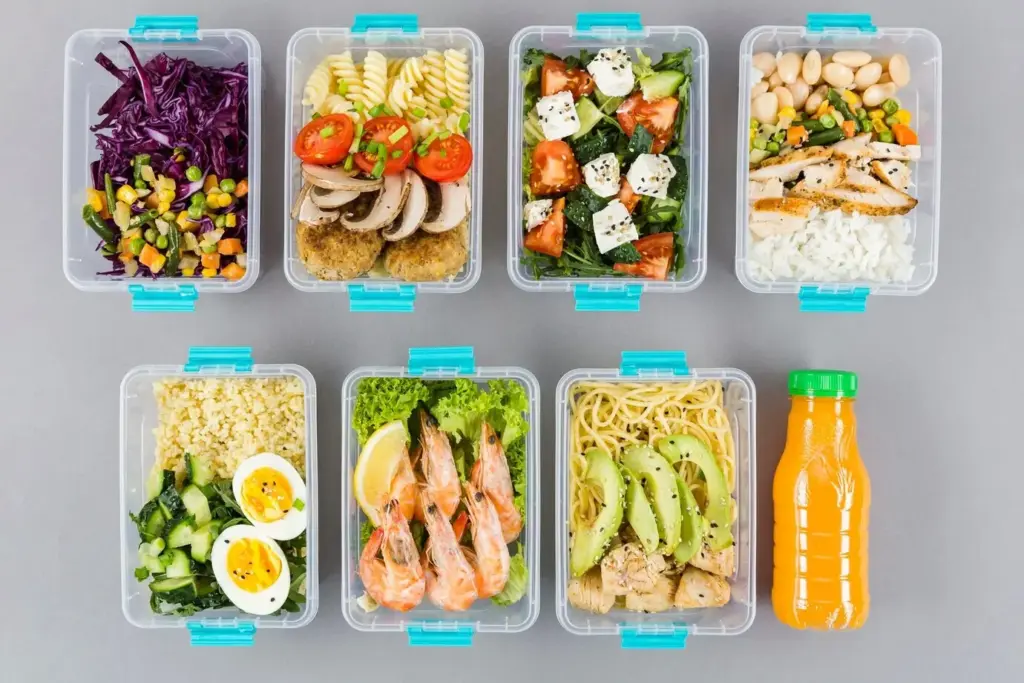
Your kitchen can quietly coach better portions with a few easy switches. Pre-portion snacks, use smaller serving spoons, plate in the kitchen, keep water visible, and start meals with produce-forward sides. Simple defaults like arranging leftovers into single-serve containers or using divided plates strengthen consistency. These changes reduce friction, supporting your future self on busy days when willpower feels thin and convenience usually decides the outcome.

Small-Plate Ordering

Appetizers, sides, and shared small dishes naturally match the smaller-plate advantage, offering satisfying variety without oversized servings. Choose bold flavors, lean proteins, and produce-forward options to maximize enjoyment. Ask for extra plates so everyone can taste without doubling portions. This flexible approach supports spontaneity, makes dining out social and fun, and leaves you energized afterward rather than weighed down by automatic, oversized defaults.

Buffet Mapping

Before picking up a plate, scan the buffet from start to finish. Choose the dishes that genuinely excite you, then commit to one small, balanced pass. Fill at least half with vegetables or salads, add a protein anchor, and finish with a flavorful accent. This plan protects enjoyment while keeping portions in a sweet spot. Returning later for a tiny taste of one favorite allows delight without tumbling into excess.

Mindset, Habits, and Gentle Accountability

Tiny plates and serving tweaks work best with a patient mindset. Treat adjustments as experiments, not judgments. Track cues like energy, mood, and satisfaction rather than only scale shifts. Celebrate repeatable wins, forgive detours, and keep tools visible. Over weeks, the environment begins doing more work than willpower. This compassionate approach sustains momentum and turns right-sized portions into an identity rather than a temporary campaign.

Science, Stories, and Lasting Motivation
Study Snapshots You Can Trust

Research into visual illusions, plate size, and serving defaults indicates reliable, modest reductions in energy intake when environments support right-sized portions. While no single trick replaces overall balance, these cues are practical levers that add up. Consider them companions to preferences, culture, and appetite, not replacements. As always, adapt to your context, and consult a healthcare professional if you have medical needs affecting nutrition choices or portion strategies.

A Real-Life Kitchen Win

One reader swapped twelve-inch plates for nine-inch ones and moved family-style bowls off the table. Within weeks, they noticed lighter evenings, steady energy, and zero complaints at dinner. The food stayed delicious; the environment simply guided calmer choices. Occasional celebrations still felt special, and leftovers even stretched further. This story mirrors many others: small, visual changes often do the heavy lifting while joy and flexibility remain.

Join the Conversation

What small plate size works best in your home? Have color contrasts or serving order helped? Share your photos, tweaks, and questions in the comments. Subscribe for fresh experiments, printable guides, and community challenges designed to keep momentum friendly. Your experiences can spark someone else’s breakthrough, and together we can refine these practical tools so they genuinely fit real kitchens, real schedules, and real cravings.
Hopinonupunekofomu
Privacy Overview

This website uses cookies so that we can provide you with the best user experience possible. Cookie information is stored in your browser and performs functions such as recognising you when you return to our website and helping our team to understand which sections of the website you find most interesting and useful.