
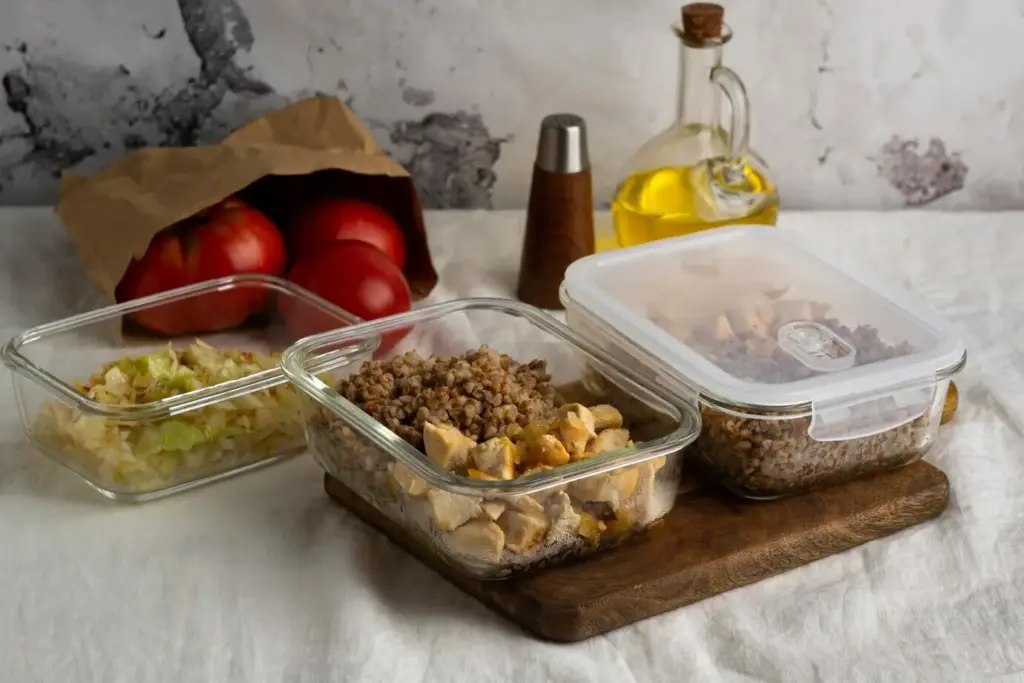
Small Mealtime Rituals That Raise Happy, Healthy Eaters
Set the Stage for Calm, Curious Appetites
The Two-Minute Table Setup
Invite kids to place napkins, choose a family water pitcher, or pick a centerpiece from nature, like a leaf or pinecone. This quick ritual anchors attention and invites ownership. When little hands prepare the space, they feel included, making new foods less intimidating. The simple act of setting the scene signals that mealtime is a shared project, not a chore.
Screens Off, Senses On
Turn off devices, dim harsh lights, and welcome gentle conversation. Without screens, children notice textures, smells, and colors—keys to building food curiosity. Explain the why: tasting new things is easier when our brains are calm. Consider gentle background music and a playful question to keep focus at the table. Protecting this sensory zone makes exploration feel fun, not forced.
The Friendly Two-Option Plate
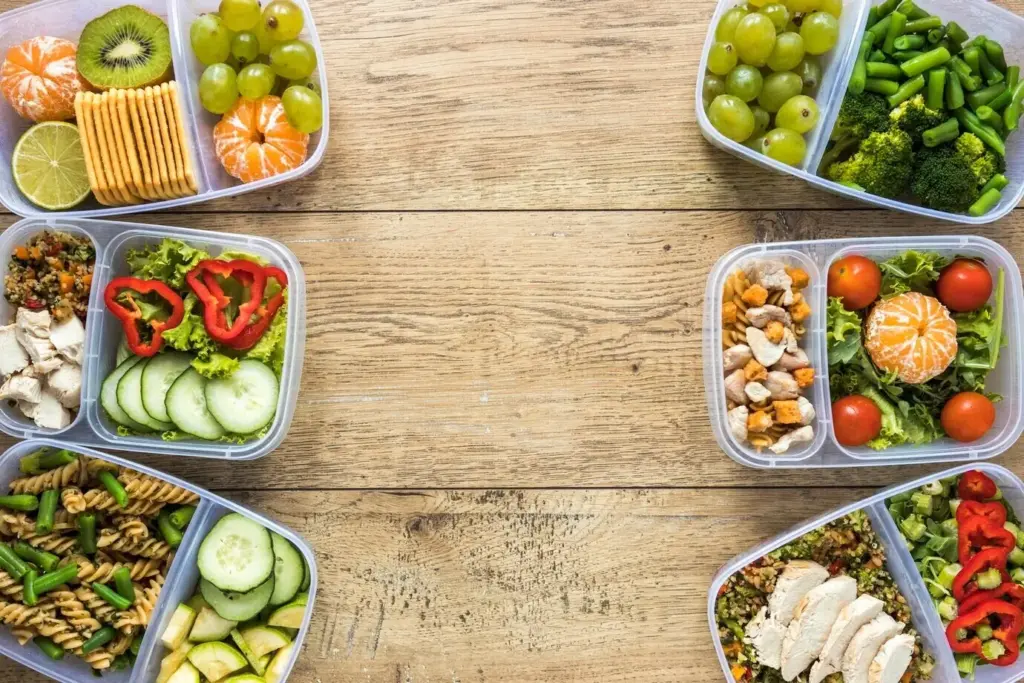
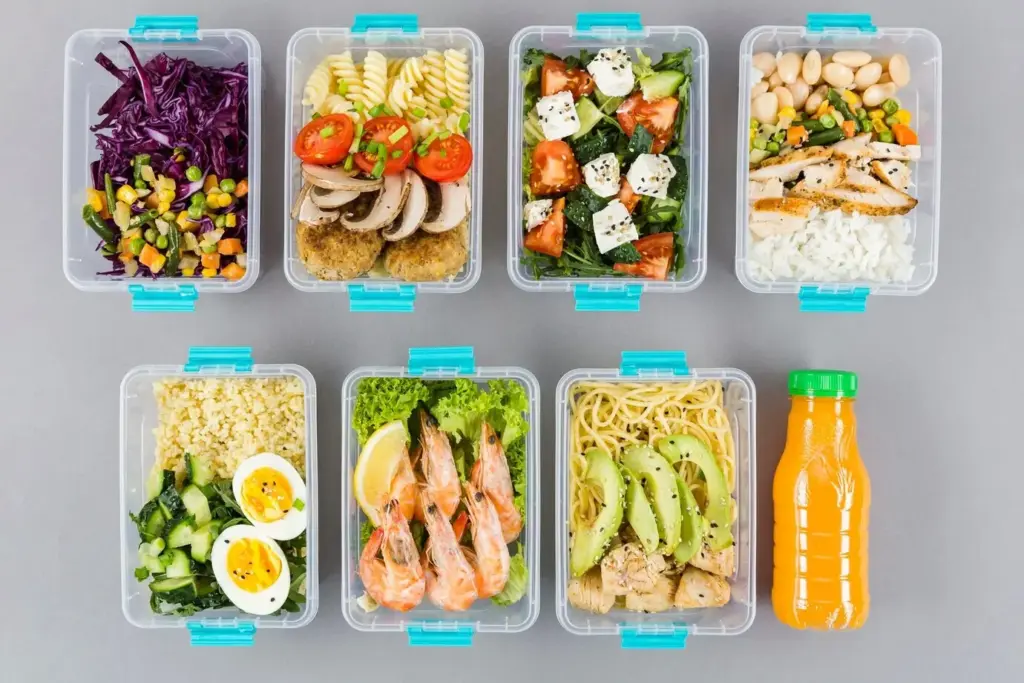
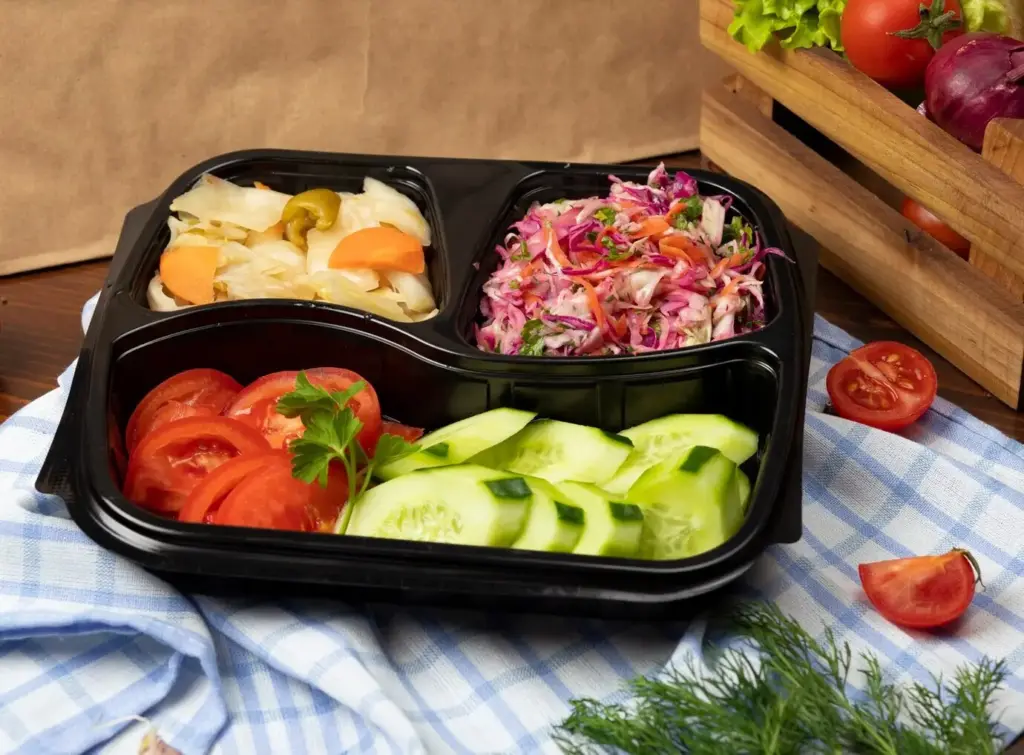
Present two nutritious options—carrots or cucumbers, brown rice or barley—then let your child decide. The menu stays healthy, but the choice is theirs. This micro-habit avoids negotiation traps and keeps mealtime moving. Over weeks, rotate vegetables and grains to widen exposure. Children typically need several exposures before embracing new flavors, and this gentle method builds familiarity without pressure, bribes, or hidden surprises.
Kid-Powered Passing and Serving
Place bowls on the table and let kids serve themselves small portions, even if it feels messy at first. Self-serving nurtures agency and natural appetite cues. You can suggest tiny scoops, then welcome seconds. Avoid comments like “That’s too little” or “Too much.” Respecting internal signals helps children discover balance. Ownership often transforms resistance into curiosity, one spoonful at a time, day by day.
Color Count Challenge
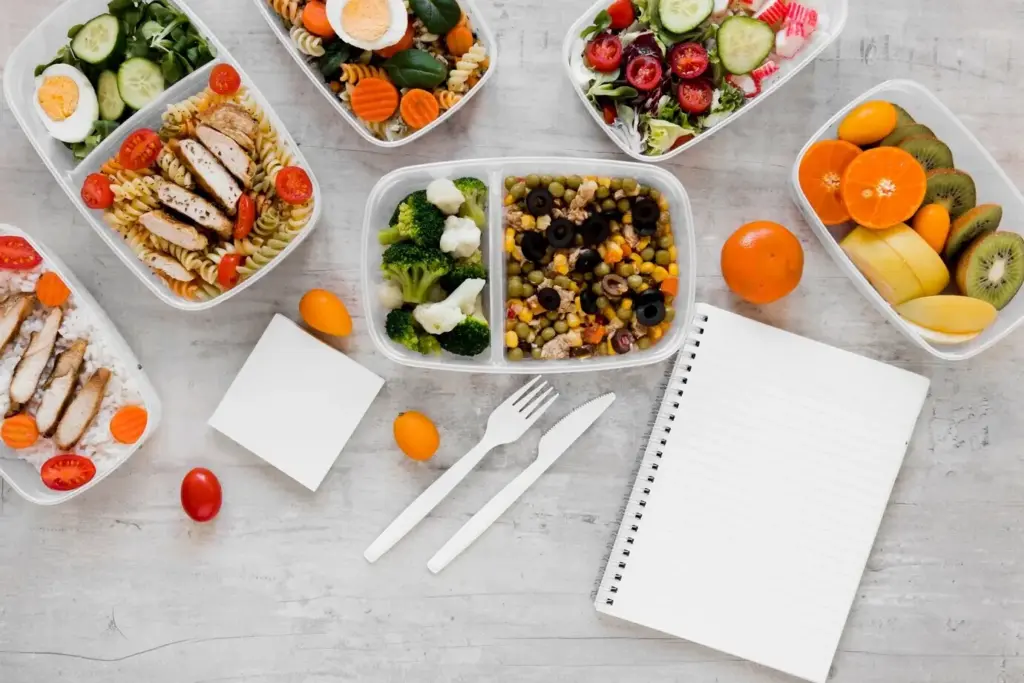
Playfully invite kids to find two or three colors on their plate—green peas, orange sweet potato, purple cabbage. Counting colors reframes eating as discovery rather than obligation. You’re not demanding bites; you’re sparking attention. Celebrate effort, not volume. Over time, color variety correlates with nutrient variety. This light, non-competitive challenge supports adventurous eating without stress, turning the plate into a bright, exciting landscape.
Lead With Example, Not Pressure
Turn Flavor Discovery Into Play
Routines That Actually Stick
The Gratitude Pause
Before eating, invite one sentence of appreciation—about the food, a helper, or a moment from the day. This pause slows the rush and tunes attention to the meal. Gratitude softens resistance and refocuses the table on care, effort, and presence. The practice is short, repeatable, and grounding, making it the kind of tiny ritual that multiplies benefits far beyond nutrition alone.
Clockwork Consistency
Aim for mealtimes that begin within a reliable window, even when life gets messy. Predictable timing supports natural hunger rhythms and reduces grazing. Kids feel safer trying new foods when they’re truly hungry. Maintain flexible consistency—close enough to count, forgiving enough to sustain. Over time, this quiet rhythm builds self-regulation, turning chaotic evenings into reassuring, doable routines that welcome curiosity and calm appetites.
Micro-Cook Helpers
Offer tiny prep jobs: rinsing berries, tearing lettuce, or mixing a dressing. Small responsibilities grow investment, and invested kids are more likely to taste. Keep tasks achievable and praise effort. Invite observations about smell, temperature, and texture during prep. These mini-roles transform food from something served to something created together, lowering defenses and strengthening the bridge between curiosity, confidence, and adventurous bites.
Keep the Conversation Going
All Rights Reserved.